How to Count Calories When Eating Out
Counting calories when eating out feels impossible. No labels, big portions, hidden oils. Practical tactics to estimate restaurant meals with confidence.
Tracking your food at home is one thing. Everything is in front of you, and you control the portions. Then you go out to eat, and it all falls apart: no nutrition label, a plate twice the size you’d serve yourself, and a kitchen that cooks with far more oil and butter than you ever would. This is exactly where most people give up on tracking.
You don’t have to. Counting calories when eating out is about smart estimation, not precision. And a few habits make your guesses surprisingly close.
Accept that “close enough” is the goal
At a restaurant, you will never know the exact number, and chasing it will just make you miserable. That’s fine. The purpose of tracking a restaurant meal isn’t a perfect figure. It’s an honest ballpark that keeps your day roughly on track. If your estimate is in the right neighborhood, your overall trend stays intact, and the trend is what actually matters.
This is the same principle behind counting calories from a photo: consistency beats precision. Log a reasonable estimate and move on.
It also helps to remember that restaurant meals are a small slice of your week. You control the other twenty-odd meals completely, so an imperfect estimate on the two or three you eat out barely dents the overall picture, as long as you actually record something instead of throwing your hands up.
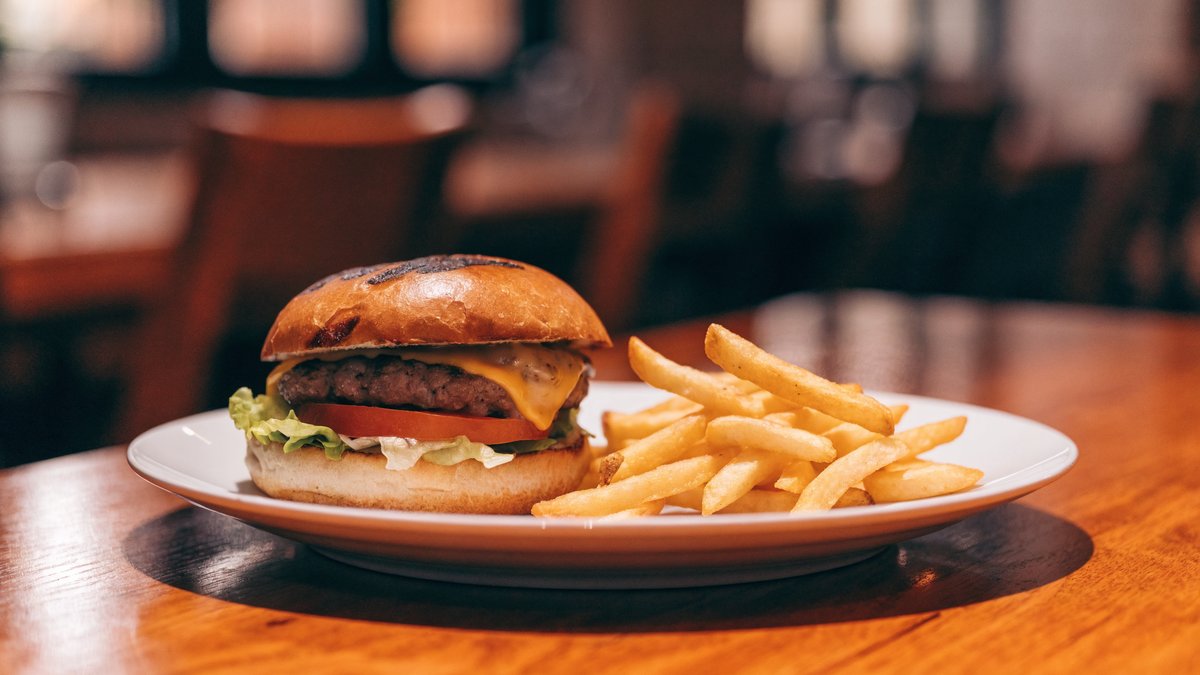
Watch the three big calorie hiding spots
Restaurant meals blow past home cooking mostly because of things you can’t see on the plate. Learn to spot them and your estimates jump in accuracy.
- Cooking fats. Kitchens use oil and butter generously, for flavor. A dish that looks light can carry a couple hundred extra calories in the pan alone. When in doubt, estimate up.
- Sauces and dressings. Creamy sauces, glazes, and dressings are calorie-dense and easy to underestimate. Getting them on the side lets you control, and better guess, how much you actually eat.
- Drinks and sides. Soda, juice, alcohol, and the bread basket often add more than the main course. They’re the most-forgotten calories of the whole meal.
Practical tactics that work
None of these require a nutrition label:
| Tactic | Why it helps |
|---|---|
| Check the menu online first | Many chains publish calories; decide before you’re hungry |
| Compare to a known meal | ”This is about like my usual chicken-and-rice, plus sauce” |
| Halve giant portions | Box half immediately; estimate the half you eat |
| Estimate from the plate | Judge protein by palm size, carbs by fist, fats by the shine |
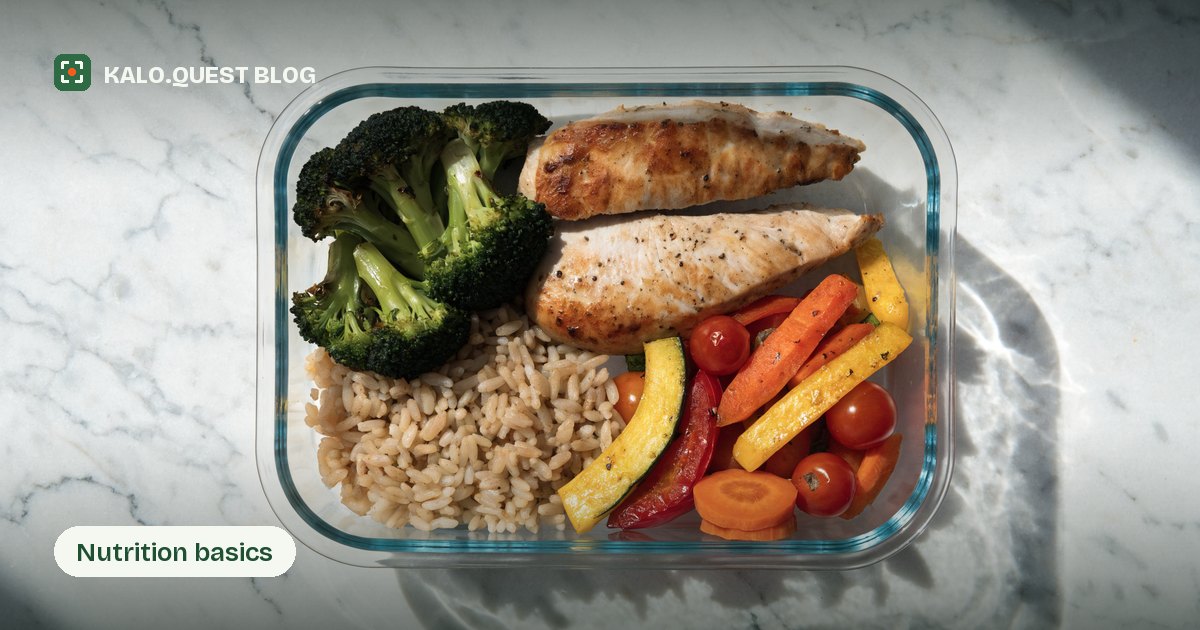
The “compare to a known meal” trick is underrated. Once you’ve tracked your own cooking for a while, you build a mental library of what 600 calories looks like, and you can map a restaurant plate onto it fast.
When you can’t figure it out, take a photo
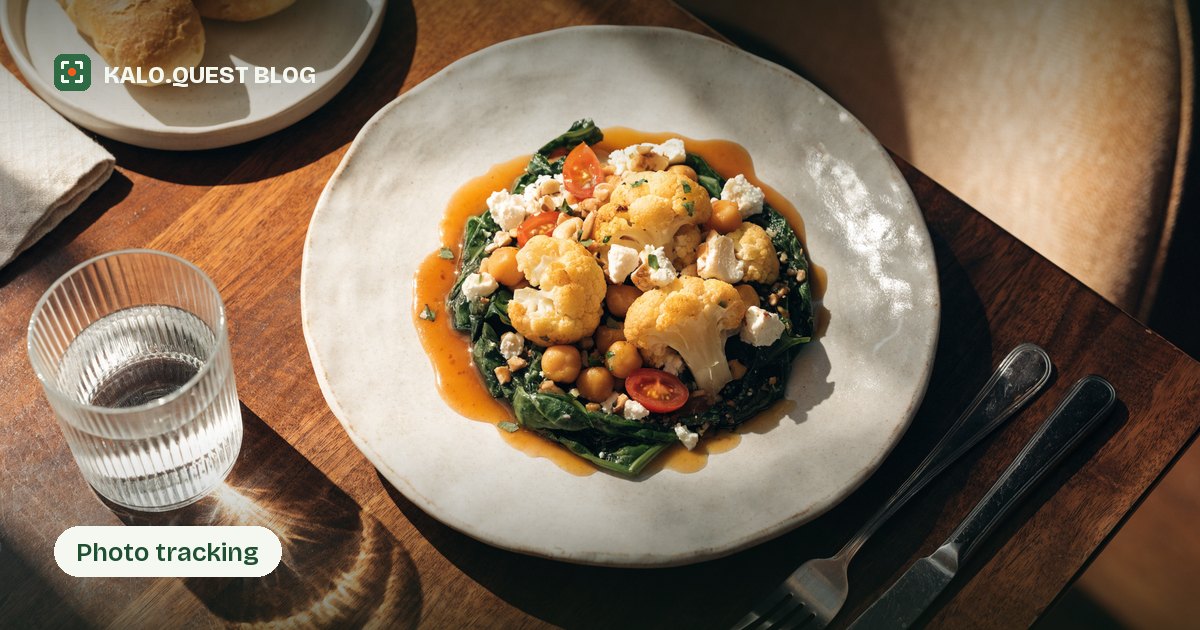
Some plates defy estimation. A mixed curry, a loaded bowl, a dish you can’t break into parts. This is where a photo does the heavy lifting: instead of guessing each component, you snap the plate and let the estimate come back in seconds. It handles the portion reasoning for you, including the parts that are hard to eyeball.
It’s the same low-friction habit that makes daily macro tracking sustainable, except it rescues you in exactly the situation where manual logging is hopeless.
A quick game plan for counting calories eating out
When you’re standing in front of a menu, you don’t want a lecture. You want a routine. Here’s a simple order of operations for counting calories eating out that works whether it’s a quick lunch or a long dinner.
- Decide before you’re hungry. If the place posts calories online, skim it on the way. Willpower is much stronger before you sit down than after the bread basket arrives.
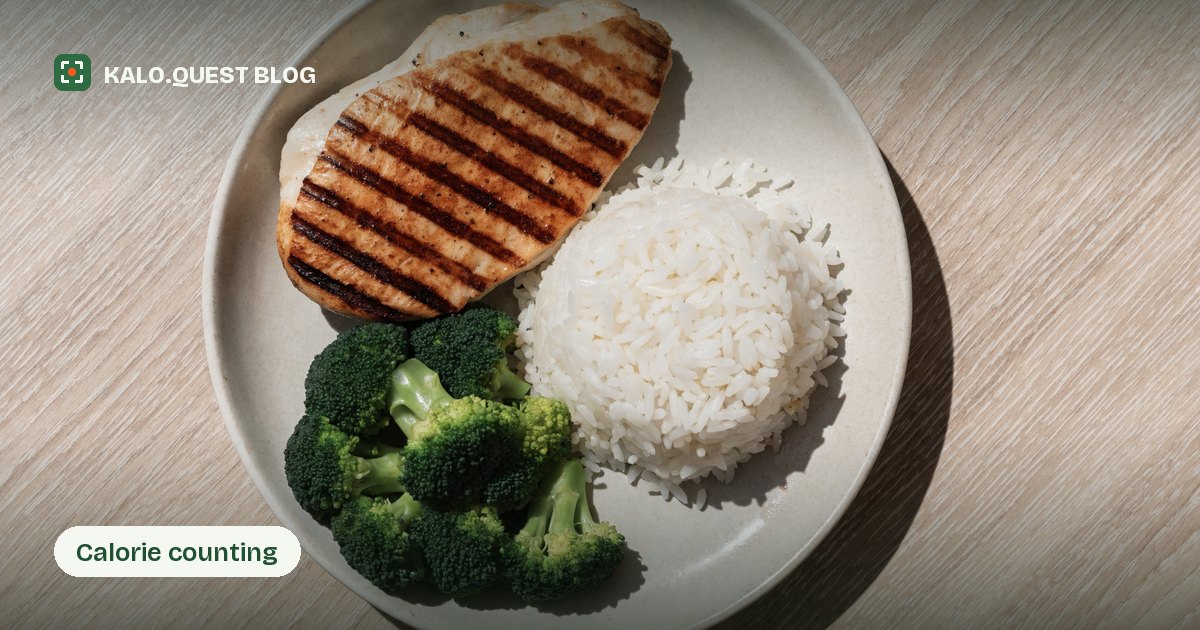
- Pick a protein-forward main. Grilled or roasted dishes with a clear protein and some vegetables are both healthier and far easier to estimate than a mixed, saucy, everything-blended plate.
- Control the add-ons. Dressings and sauces on the side, water or a low-calorie drink as your default, and a quick decision about whether the fries and the bread are worth it today.
- Estimate, snap, or both. Judge the plate against meals you know, and when it’s too complex to break down, take a photo and let the estimate do the work.
- Log it and let it go. An honest ballpark in your tracker beats a perfect number you never record.
The whole art of counting calories eating out is front-loading the easy decisions so the meal itself stays relaxed. Do this a handful of times and it becomes automatic. You’ll glance at a menu and already know roughly where you’ll land.
Don’t let one meal derail the week
Finally, keep perspective. One restaurant meal, even a big one, doesn’t undo a week of consistency, as long as you log something honest instead of pretending it didn’t happen or giving up entirely. The goal is a truthful estimate, not a guilt trip. Log it, enjoy it, carry on.
Quick recap
Estimate, don’t agonize. Watch the fats, sauces, and drinks, because that’s where restaurant calories hide. Map unfamiliar plates onto meals you already know, box half of anything huge, and log an honest ballpark every single time. Close and consistent beats precise and abandoned.
And when a plate defies all of that, snap it. That last trick is Kalo.Quest, by the way: free, no account, iPhone and Android.
This article is general information, not medical advice. For personal guidance, talk to a healthcare professional.