The Best Foods to Eat for Weight Loss
The best foods for weight loss aren't magic. They're the ones that keep you full on fewer calories. Here's what to build your plate around, and why.
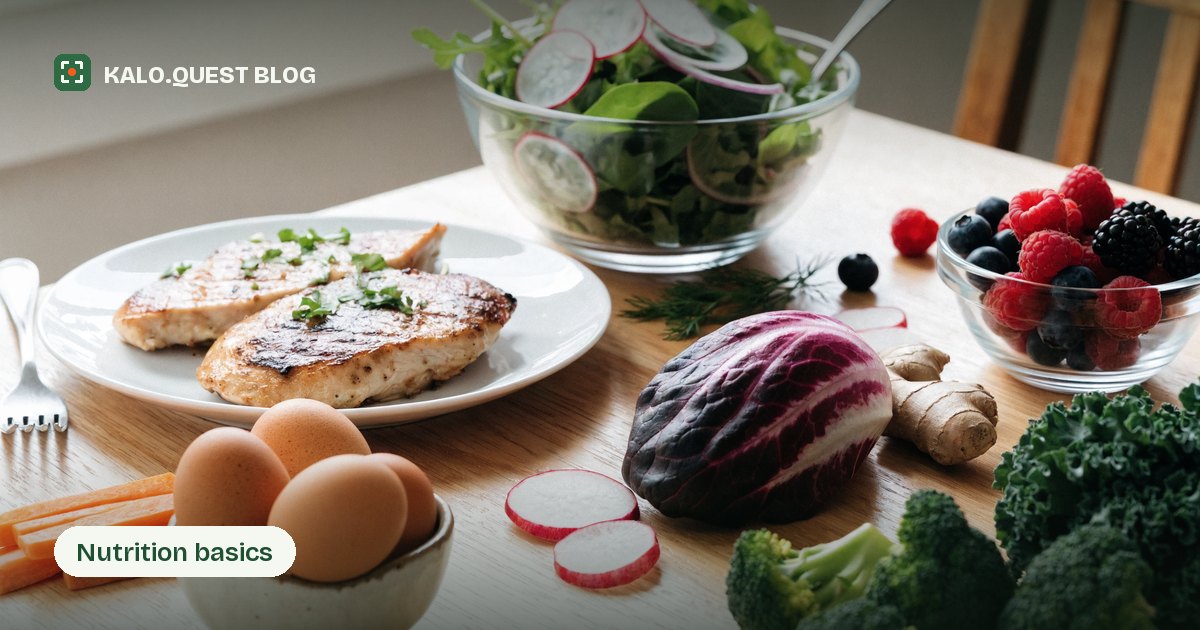
There’s no single food that melts fat, and any list promising one is selling something. What actually helps with weight loss is subtler and far more useful: the best foods for weight loss keep you full and satisfied on fewer calories, which makes eating in a deficit feel less like willpower and more like a normal day. Build your plate around those foods and the hard part of losing weight gets a lot easier.
Here’s what belongs on that plate, and the reason each one earns its spot.
The one principle behind every good weight-loss food
Fullness per calorie. That’s the whole game.
Some foods deliver a lot of satisfaction for very few calories. They’re bulky, watery, high in protein or fiber, and they take a while to eat. Others pack enormous calories into a few effortless bites. Neither is “good” or “bad,” but when you’re trying to lose weight, leaning toward the first group means you can eat a genuinely filling amount of food and still come in under your target.
None of this replaces the basics of energy balance. You still lose weight by eating below maintenance. If you’re not sure what your target should be, start with how many calories you should eat in a day. These foods just make that target much easier to hit.
Lean proteins: the anchor of every meal
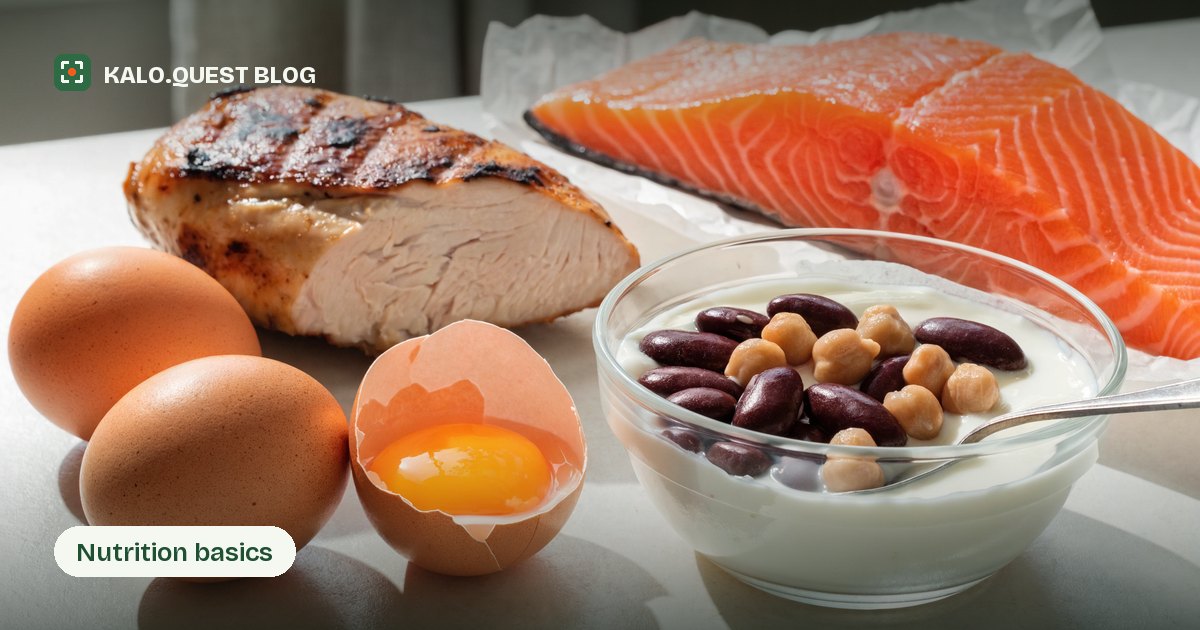
Protein is the most filling macronutrient, calorie for calorie, and it helps preserve muscle while you’re losing fat. Make it the anchor of each meal and everything else falls into place.
- Chicken and turkey breast
- White fish and salmon
- Eggs and egg whites
- Greek yogurt and cottage cheese
- Lentils, beans, and tofu
A palm-sized portion at each meal is a simple, no-math starting point. If you want to be more precise about it, we go deeper in how much protein you really need per day.
High-volume vegetables: fill the plate
Non-starchy vegetables are the closest thing to a free lunch in nutrition. They’re mostly water and fiber, so they add real volume and crunch to a meal for almost no calories.
- Leafy greens, spinach, and lettuce
- Broccoli, cauliflower, and green beans
- Peppers, cucumbers, zucchini, and tomatoes
The move is to make vegetables half the plate. It sounds like diet-book advice because it works: they physically fill you up before the calorie-dense foods can.
Fiber-rich carbs: steady energy that lasts
Carbs aren’t the enemy; refined, easy-to-overeat carbs just don’t keep you full for long. Swap toward fiber-rich sources and the same calories carry you much further.
| Instead of | Reach for |
|---|---|
| White bread | Whole-grain or sourdough |
| White rice (in large amounts) | Brown rice, quinoa, oats |
| Chips and crackers | Fruit, popcorn, roasted chickpeas |
Fiber slows digestion, blunts the post-meal energy crash, and feeds a healthy gut. You don’t have to cut carbs. Just pick the ones that pay you back with fullness.
Fruit, and the water-rich foods people forget
Whole fruit gets unfairly side-eyed on weight-loss plans. It’s sweet, yes, but it also brings fiber and water, so it’s genuinely filling, a world apart from fruit juice. Berries, apples, oranges, and melon are excellent hunger-tamers.
Broths and brothy soups deserve a mention too: starting a meal with a bowl of vegetable soup is one of the oldest tricks for eating less without noticing.
What to keep an eye on (not ban)
You don’t need a forbidden list. But a few foods are so calorie-dense that small amounts add up fast, and they’re worth tracking rather than eyeballing:
- Oils, butter, and dressings
- Nuts and nut butters (healthy, but easy to overdo)
- Cheese, and creamy or sugary drinks
These aren’t off-limits. They make food taste good and keep you sane. The point is awareness. A tablespoon of olive oil disappears visually but carries real calories, which is exactly the kind of thing a quick photo check catches.
A day of foods for weight loss
Categories are useful, but it helps to see them assembled into a real day. Here’s one easy, unfussy example built entirely from the foods above. No exotic ingredients, no cooking marathon.
- Breakfast: Greek yogurt with berries and a sprinkle of oats. High protein, high fiber, naturally sweet, and it keeps you full through the morning.
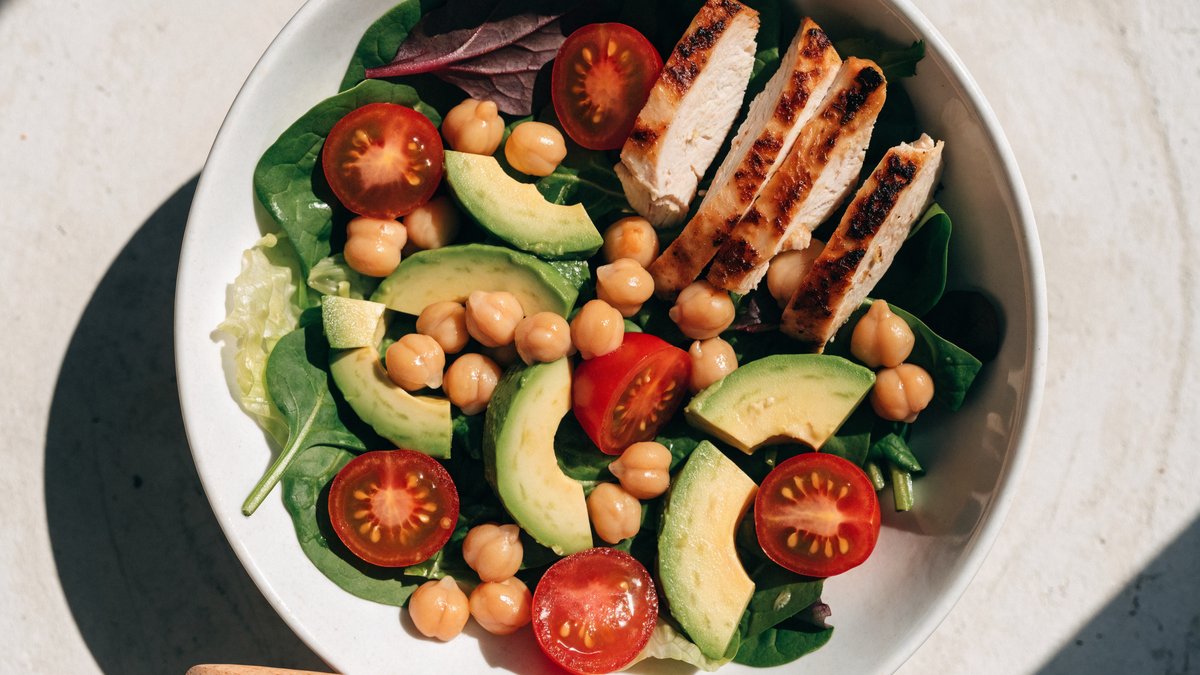
- Lunch: A big salad of leafy greens, cherry tomatoes, and cucumber, topped with grilled chicken and a modest drizzle of olive oil. Half the bowl is vegetables, so it’s genuinely filling for the calories.
- Snack: An apple, or a boiled egg, or a small handful of nuts. A protein- or fiber-forward bite that bridges you to dinner without a crash.
- Dinner: Baked salmon, roasted broccoli, and a fist-sized portion of brown rice or quinoa. Protein anchors it, vegetables fill the plate, and the fiber-rich carb keeps you satisfied into the evening.
Notice there’s nothing “diet” about it. It’s just normal, good food arranged with fullness in mind. That’s the whole point of choosing the best foods for weight loss: you’re not eating less food, you’re eating food that does more per calorie. Swap items freely; the shape is what matters, not the exact menu.
One caveat worth repeating: even the healthiest day can drift over your target if the extras pile up unnoticed. A heavier pour of oil, a second helping, a sauce you didn’t account for. That’s why a quick check of what you actually ate keeps the plan honest.
Putting it on the plate
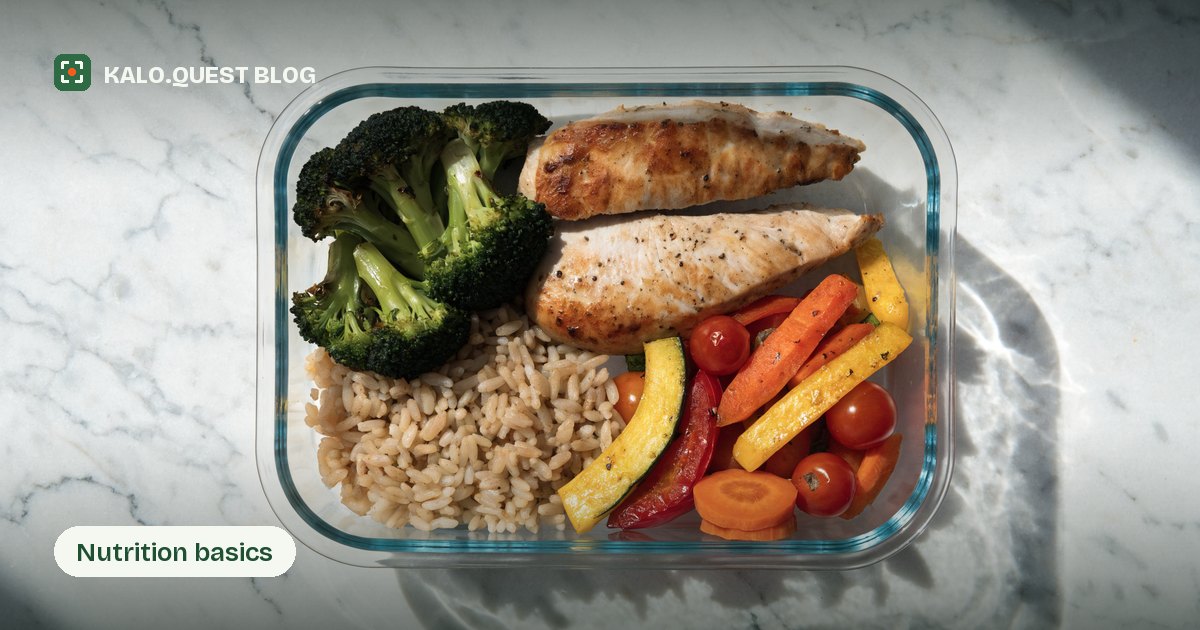
A reliable weight-loss plate has a shape: a palm of lean protein, half a plate of vegetables, a fist of fiber-rich carbs, and a thumb of fat. Repeat the shape, swap the ingredients freely, and hunger stops running the show. No weighing, no spreadsheet.
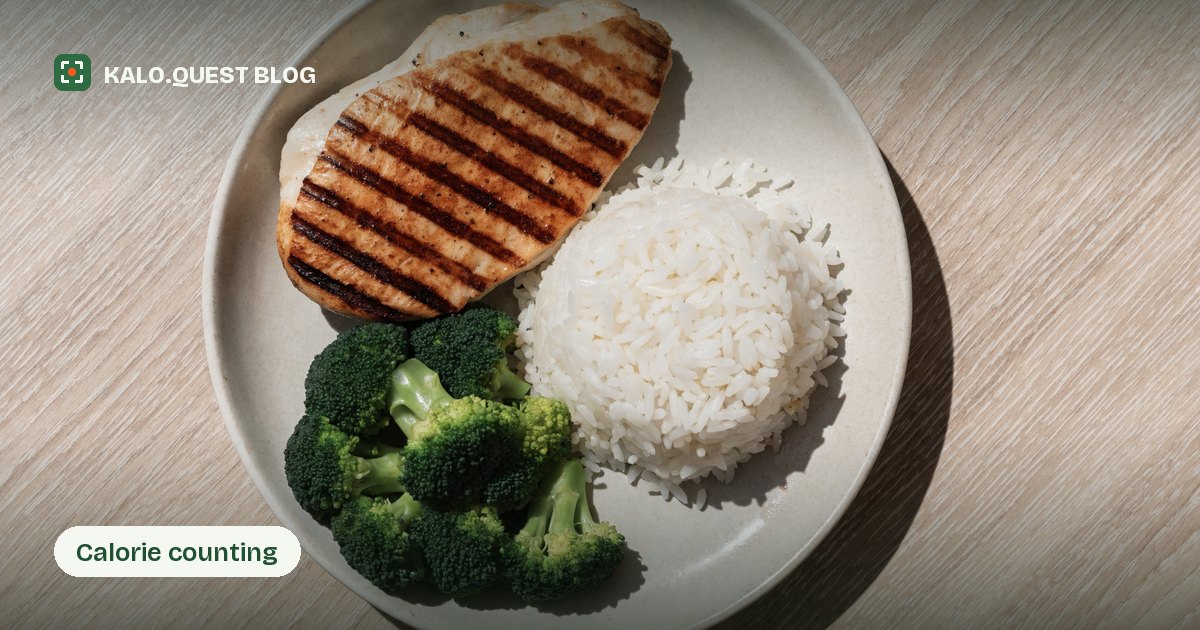
What keeps the whole thing honest is knowing roughly what you actually ate, so the deficit is real and not a hopeful guess. Kalo.Quest covers that part in the time it takes to sit down: photograph the plate and the calories and macros appear. The app costs nothing, never asks you to create an account, and runs on both iPhone and Android.
This article is general information, not medical advice. For personal guidance, talk to a healthcare professional.